
Effective email marketing is crucial for boosting SEO performance and driving organic traffic to your website. However, crafting personalized content for different customer segments can feel overwhelming. Without a strategic approach, emails risk appearing generic, leading to lower engagement and conversion rates. This article provides a practical guide to aligning your email marketing with SEO goals by personalizing content for diverse customer groups. We'll explore proven strategies, essential tools, and advanced techniques to maximize the impact of your email campaigns while enhancing your search engine rankings.
- Understanding Customer Needs and Preferences
- Crafting Targeted Email Content for Each Segment
- SEO Integration: Optimizing for Visibility and Relevance
- Measuring Success: Key Metrics for Email Marketing Campaigns
- Continuous Improvement: Refining Personalization Strategies
Segmenting Customers: The Foundation for Personalization

Segmenting Customers: The Foundation for Personalized Email Content
Segmenting your email list is a crucial step in both effective email marketing and aligning these efforts with your SEO strategy. By dividing your subscribers into distinct groups based on shared characteristics, you can tailor your email content to resonate with each segment, leading to higher engagement and conversion rates. This targeted approach is especially vital for SaaS companies looking to convert leads and for local businesses aiming to attract nearby customers.
A SaaS company might segment its list by the type of software product used, the industry the users belong to, or their level of engagement with previous marketing campaigns. A local bakery could categorize subscribers by location, purchase history, or special dietary needs. Once these segments are defined, you can craft emails that speak directly to each group's interests and pain points. This level of personalization significantly improves the relevance of your communication, encouraging recipients to take action.
The benefits of list segmentation extend to your SEO campaigns. Search engines like Google favor websites that provide valuable, relevant content. By segmenting your audience, you can create targeted email content that mirrors their specific needs and queries, enhancing the overall user experience. This alignment between your email marketing and SEO efforts can lead to improved organic traffic and better search rankings.
When implementing customer segmentation, consider the information you collect from sign-ups and user interactions. Use this data to create detailed customer profiles, which will inform your personalized email content strategy. Remember, the key to successful segmentation and personalization is ensuring that each group receives content that feels relevant and valuable to them, ultimately driving better engagement and business outcomes.
Understanding Customer Needs and Preferences

Understanding customer needs and preferences is crucial for successful email marketing and SEO alignment. By segmenting your audience based on demographics, behaviors, and interests, you can create personalized email content that resonates with each group. This approach not only enhances engagement but also drives organic traffic to your website, contributing to overall SEO success.
A SaaS company catering to small businesses might segment its customers into categories like "start-up founders," "marketing managers," and "IT specialists." Each segment has unique challenges and priorities. An experienced email SEO strategist would tailor content accordingly, offering start-ups cost-saving tips, marketing managers advanced automation strategies, and IT specialists in-depth technical guides. This level of personalization increases the likelihood of converting subscribers into paying customers.
Keyword research plays a pivotal role in this process. Identifying the specific terms and phrases your target segments use when searching for solutions allows you to incorporate these keywords naturally into your email content. This ensures that your emails appear in relevant searches, further optimizing your email marketing and SEO efforts. A SaaS company focused on project management tools should include keywords like "task assignment," "team collaboration," and "project tracking" when crafting emails for their marketing manager segment.
To ensure ongoing success, regularly analyze email marketing campaign data and adjust your content strategies accordingly. Experienced email SEO strategists recommend A/B testing different subject lines, calls-to-action, and content formats to determine what works best for each segment. This data-driven approach allows you to refine your email marketing and SEO alignment, ensuring that your messages not only reach the right audience but also drive measurable results in terms of conversions and improved organic rankings.
Crafting Targeted Email Content for Each Segment
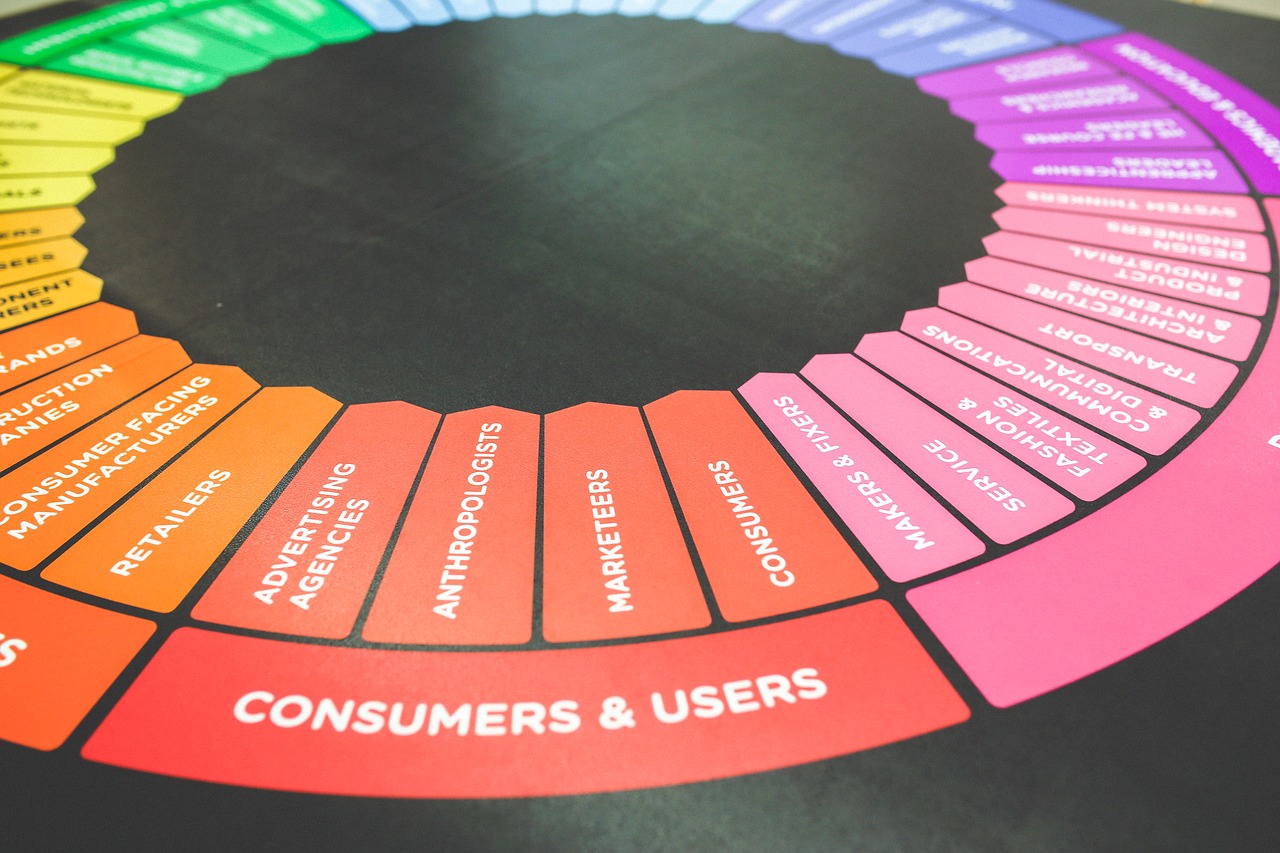
Crafting targeted email content for each segment is a powerful strategy to enhance both email marketing and SEO performance. By segmenting your audience, you can tailor messages that resonate with specific groups, increasing engagement and driving organic traffic. A small business selling eco-friendly products might segment customers interested in sustainable living versus those focused on budget-friendly options.
For e-commerce email SEO strategies, personalization is key to increasing sales. Crafting targeted content that speaks directly to the needs and interests of each segment improves click-through rates and boosts conversions. Start by analyzing customer data to identify shared interests, purchase behaviors, and demographics. Then, create email campaigns that cater to these insights. A well-segmented email list, combined with effective content, will enhance both your email marketing ROI and your SEO campaign.
Best practices for integrating email and SEO involve aligning your content strategy to ensure consistency and maximize reach. This includes optimizing subject lines and body text for both search engines and email inboxes. Using relevant keywords in your email subject lines and body text can improve email deliverability and SEO rankings. Incorporating clear calls-to-action (CTAs) within your emails encourages user engagement, which signals to search engines the quality and relevance of your content.
Affordable email marketing for small businesses can be highly effective when personalized. Utilize email automation tools to streamline the process, allowing you to send targeted messages at scale without breaking the bank. By segmenting your audience and creating tailored content, you can compete with larger businesses in search engine results and email inboxes alike. This strategic approach to email marketing and SEO alignment ensures that your efforts are both cost-effective and highly impactful.
SEO Integration: Optimizing for Visibility and Relevance

In the competitive digital landscape, aligning email marketing with search engine optimization (SEO) is crucial for businesses aiming to enhance their online visibility and reach their target audience effectively. Experienced email SEO strategists understand that personalizing content for different customer segments can significantly boost both engagement and conversions. The goal is to create relevant, compelling emails that not only drive clicks but also improve search rankings.
For local businesses, a well-crafted email marketing strategy can be a powerful tool to dominate local SEO. A same-day email SEO campaign setup, tailored to a specific neighborhood or community, can yield immediate results. A local bakery could send a targeted email to nearby residents, introducing a new vegan pastry line with a special discount. This not only attracts local customers but also provides valuable data for future SEO efforts. By segmenting customers based on location and interests, businesses can optimize their email content to increase open rates and click-throughs, reflecting positively on their SEO performance.
Beyond local reach, segmenting customers based on purchase history and browsing behavior allows for more nuanced and effective email campaigns. Email marketing tools and automation platforms play a pivotal role here, enabling experienced strategists to create personalized journeys for each segment. For e-commerce businesses, this might involve sending product recommendations based on previous purchases or creating targeted promotions for specific customer groups. A fashion retailer could segment customers who frequently buy athletic wear and send them exclusive offers for new sportswear collections, driving both sales and SEO metrics.
Integrating email marketing and SEO alignment goes beyond mere visibility; it's about creating a seamless, relevant experience for each customer. Advanced email marketing techniques, such as keyword research and content optimization, should be at the core of any successful strategy. By understanding the keywords and phrases that potential customers use in their searches, businesses can craft email content that not only ranks well in search engines but also resonates with their target audience. This holistic approach, combining personalized content, effective segmentation, and SEO optimization, is key to achieving business growth and long-term online success.
Measuring Success: Key Metrics for Email Marketing Campaigns

Measuring the success of email marketing campaigns is crucial for understanding what resonates with different customer segments and aligning it with SEO goals. Key metrics, such as open rates, click-through rates (CTRs), and conversion rates, provide valuable insights into the performance of your email content. A high open rate but low CTR might indicate that the subject line needs refining, while consistent low engagement across segments could signal a need for more personalized content.
In the context of e-commerce, email SEO strategies for increased sales involve a deep examine customer behavior. By segmenting your audience and analyzing their interactions with email campaigns, you can tailor content to specific needs and preferences. Top-rated email and SEO alignment agencies emphasize the importance of segmenting your list based on demographics, purchase history, and browsing behavior. This allows for more targeted communication, enhancing the likelihood of conversions.
Email retargeting, a powerful technique, matters in SEO. It involves sending targeted emails to users who have previously interacted with your website, helping to recapture their interest. If someone adds items to their cart but doesn't complete a purchase, you can send a targeted email with a special offer to encourage conversion. This strategy not only improves SEO performance but also increases customer retention.
To ensure optimal alignment, regularly monitor and adjust your email marketing strategies. Tools and automation can help streamline this process, allowing you to focus on creative content development and strategic planning. By combining a data-driven approach with a deep understanding of your audience, you can create highly effective email campaigns that boost organic traffic and drive sales, ultimately achieving a seamless email marketing and SEO alignment.
Continuous Improvement: Refining Personalization Strategies

Personalizing email content for different customer segments is a powerful strategy to enhance engagement and boost SEO performance. As the digital landscape evolves, continuous improvement in personalization techniques becomes essential for email marketers. This involves a deep understanding of your audience and their unique needs, which can be achieved through data analysis and segment-specific content creation.
A service industry focused on local SEO could segment their emails based on customer locations. By tailoring content to nearby recipients, they can increase open rates and click-throughs, thereby improving their local rankings. For a plumbing business, this might involve sending targeted emails to residents in specific neighborhoods with seasonal maintenance tips or local promotion offers. An email SEO audit is a crucial step to ensure your content is optimized for search engines, aligning with your personalization goals. This audit should evaluate the relevance and quality of your email content, subject lines, and overall structure to maximize visibility.
The key to successful personalization lies in refining your strategies over time. Analyze the performance of each email campaign, considering metrics like open rates, click-throughs, and conversion rates. Identify underperforming segments and refine your content accordingly. If a particular product line generates low engagement, segment those recipients and create more relevant content that caters to their specific interests. This iterative process ensures your email marketing efforts remain effective and aligned with your SEO objectives. By continuously optimizing for both audience engagement and search engine visibility, you can elevate your brand's online presence and drive better results.
Frequently Asked Questions About How to Personalize Email Content for Different Customer Segments and SEO
What is personalization in email marketing? Personalization involves tailoring your email content to individual customers, using data to address them by name, reference their past purchases, or highlight products relevant to their interests and needs. This strategy boosts engagement and conversion rates.
Why is personalization important for SEO? Personalized emails can improve open rates, click-throughs, and conversions, all of which positively impact your website's search engine rankings. Search engines favor websites that offer relevant, user-friendly experiences, and personalized content contributes to this.
How do I segment my email list? Segmentation is key to effective personalization. Divide your list based on demographics, purchase history, browsing behavior, or shared interests. Segment customers who recently bought gardening tools versus those interested in fitness gear.
What tools can help with email personalization? Numerous email marketing platforms offer personalization features. These tools often include dynamic content insertion, allowing you to insert specific data about each subscriber into your email templates. Some popular options include Mailchimp, ActiveCampaign, and Sendinblue.
How can I create compelling, personalized subject lines? Craft subject lines that speak directly to your customer segments. Use segment-specific language or offer a tailored benefit. "Gardening Enthusiasts: Discover New Plants This Season" or "Fitness Buffs: Achieve Your Next Personal Best."
What types of personalized content are most effective? Offer content that's relevant and valuable to each segment. This could include product recommendations, exclusive deals, how-to guides, or industry news. Send gardening enthusiasts tips on plant care and a discount code for gardening supplies.
How often should I send personalized emails? The frequency depends on your audience and industry. Daily emails might be suitable for news updates, while weekly or bi-weekly newsletters work well for most other segments. Test different send rates to find what keeps your audience engaged without overwhelming them.
Personalizing email content for diverse customer segments and aligning it with SEO strategies is a powerful approach to boost online visibility and customer engagement. By segmenting customers based on their needs and preferences, we can create targeted email campaigns that resonate with each group. Crafting tailored content, from subject lines to offers, ensures relevance, increasing open rates and click-throughs. Integrating SEO best practices further enhances this strategy, as optimizing content for search engines drives organic traffic and improves overall online reach.
Continuous improvement is key. Measuring campaign success with relevant metrics allows us to refine our personalization strategies, ensuring we meet and exceed customer expectations. Staying informed about industry trends and best practices, like those in e-commerce SEO and keyword research, enables us to adapt and stay ahead in the digital landscape.
Aligning email marketing with SEO through personalized content for distinct customer segments is a proven method for online success. By implementing these strategies, businesses can achieve better search engine rankings, increased customer engagement, and improved conversion rates, solidifying their digital presence.
Summary:
Segmenting customers is vital for personalized email content and aligning email marketing with SEO. By dividing your email list based on demographics, behaviors, and interests, you can create content that resonates with each group, boosting engagement and conversions. This approach is crucial for SaaS and local businesses.
Key Benefits:
- Improved Engagement: Tailored content increases open and click-through rates.
- Enhanced SEO: Relevant, targeted content improves organic traffic and rankings.
- Increased Conversions: Personalization drives subscribers to take action.
Strategies:
- Segment by Characteristics: Use data from sign-ups and interactions to create customer profiles.
- Keyword Research: Incorporate relevant keywords into content for better search engine visibility.
- A/B Testing: Experiment with subject lines, CTAs, and content formats to refine campaigns.
- Segment-Specific Content: Create targeted content for each group's unique needs and interests.
- Email Automation: Utilize tools to automate personalized email campaigns at scale.
Examples:
- SaaS: Targeted content for software product users, industry-specific insights, and personalized offers.
- Local Business: Localized emails with neighborhood-specific promotions and timely content.
- E-commerce: Product recommendations based on purchase history and browsing behavior.
Metrics:
- Monitor Open, Click-Through, and Conversion Rates: Analyze performance, refine content, and optimize strategies.
- Email SEO Audit: Evaluate content relevance, subject lines, and structure for search engine optimization.
Continuous Improvement:
- Regularly review and adjust email marketing strategies based on data and performance insights.